
How to Write Quiz Questions That Spark Real Thinking
Fast quizzes fail when every item is a memory trap. Use these patterns to write OrbPops questions that reward reasoning—then pair them with the right game mode.

A beautiful game mode cannot rescue a Pop full of trick stems and “all of the above.” Great OrbPops sessions start earlier—in the question list.
Here is a practical craft guide for hosts who want thinking, not just tapping.
Start with the job of the question
Before you type choices, name the job in one line:
- Recall — “What is the capital of…?”
- Discriminate — “Which example is not a renewable source?”
- Apply — “Given this map, which route is shortest?”
- Decide — “Which policy trade-off fits this scenario?”
If you cannot name the job, the stem will wander—and so will your players.
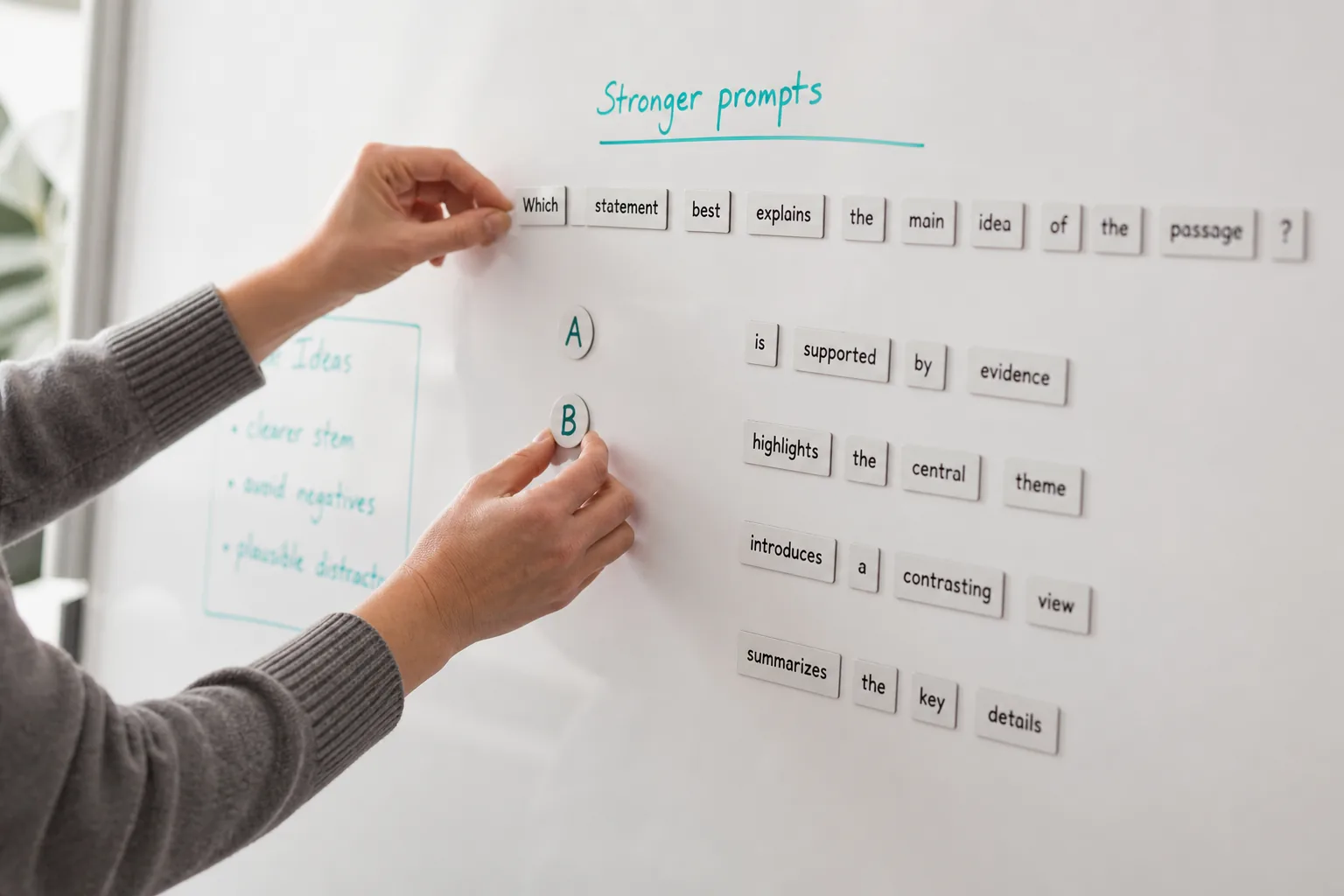
Write stems that players can parse in three seconds
On phones, long stems lose the room. Prefer:
- One clear ask
- Concrete nouns over vague pronouns
- Zero double negatives
Weak: “Which of the following is not unlikely to be considered…?” Strong: “Which material is a poor conductor of electricity?”
Build distractors that teach
Wrong answers should be plausible mistakes, not jokes only you get.
| Distractor type | When to use | | --- | --- | | Near miss | Common calculation or wording slip | | Category cousin | Same family, wrong instance | | Opposite | Tests whether the concept flipped | | Trap from last lesson | Catches over-eager pattern matching |
Avoid “None of the above” unless the Pop’s learning goal is to reject every option.
Mix difficulty without punishing newcomers
In a 12-question Pop, try a rhythm:
- Warm-up recall
- Application
- Stretch decision
- Short recall breather
- Repeat the climb
Rocket Race and Treasure Hunt feel fairer when early questions build confidence before the stretch items.
Match question type to game mode
- Classic — dense review sets; leaderboard thrives on steady scoring
- Rocket Race — short stems; powers punish hesitation, so clarity matters
- Treasure Hunt / OrbCity — great for homework-style practice and mid-difficulty application
- OrbGrid — pair with spatial, pattern, or sequence items so placement feels earned
Read the game modes guide when you are choosing the frame around the questions.
A five-minute Pop audit
Before you host:
- Read every stem out loud
- Cover the correct answer and see if you can still eliminate two choices
- Delete any item that only works because of a punctuation trick
- Confirm images have credit text if you use them
- Play one round yourself on a phone
Ship questions worth playing
Players remember the moment a question made them argue politely with a neighbor. Write for that moment—then let OrbPops carry the energy.
Create a Pop and test one rewritten set this week, or start from a public Pop and tighten three stems before you host.
Related articles
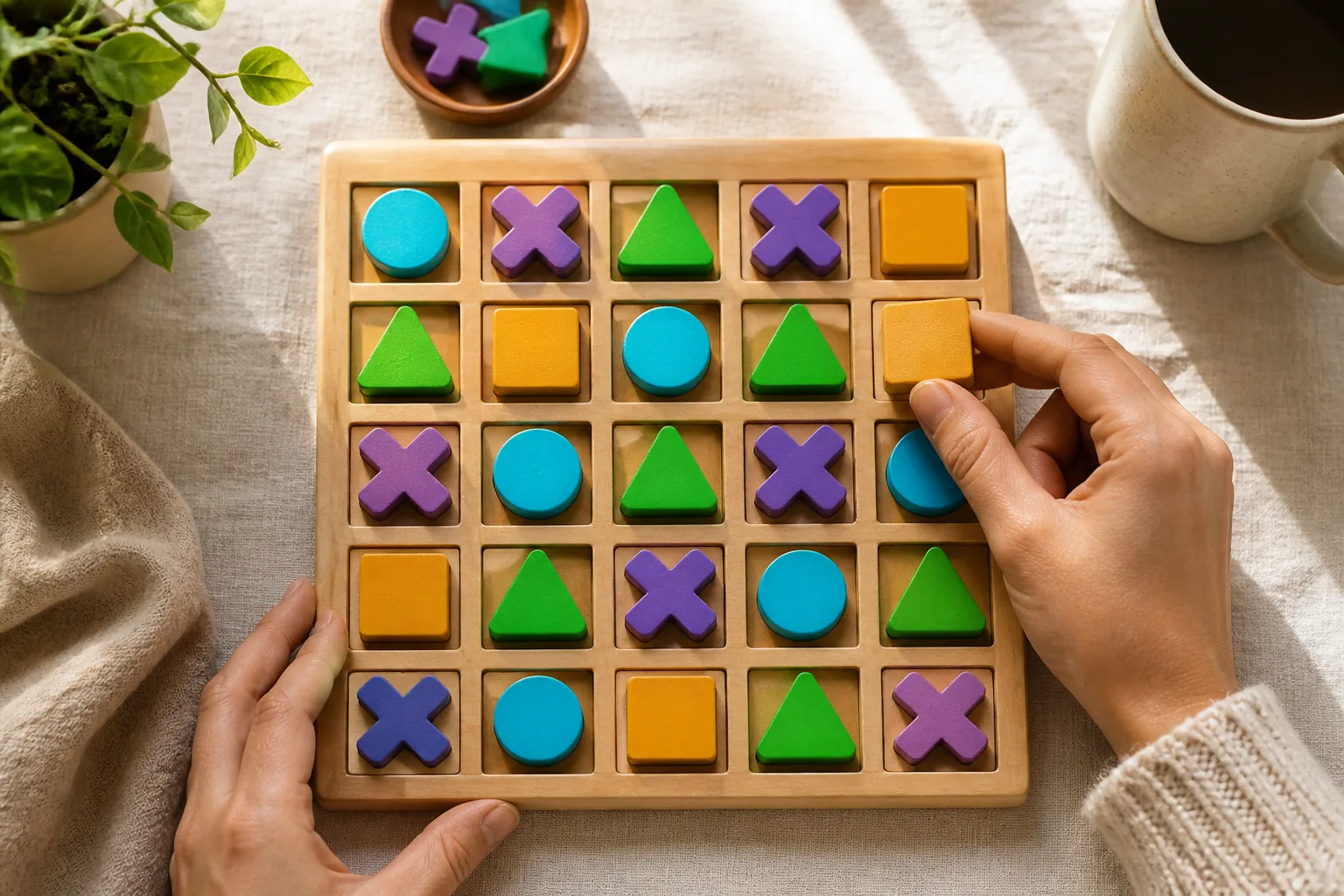
OrbGrid in Class: A Puzzle Mode That Rewards Careful Thinking
OrbGrid turns correct answers into placements on a shared board. Learn when to use it, how scoring lines work, and how to coach students who freeze on big grids.
Read article →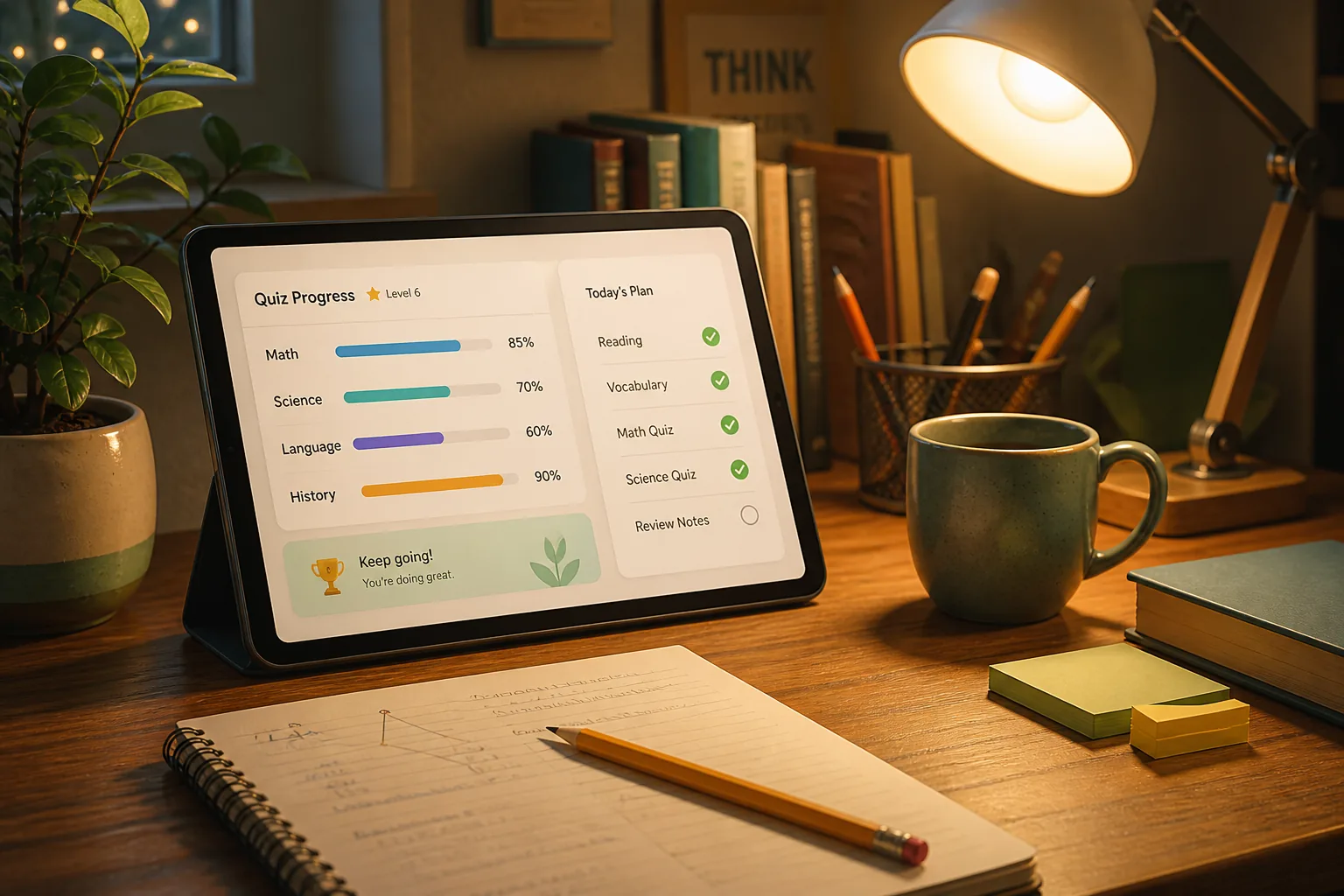
How to Assign OrbPops Homework Students Actually Finish
Skip the worksheet stack. Turn any Pop into a shareable homework link with a clear goal, deadline, and live progress you can review without chasing screenshots.
Read article →
How Students Join OrbPops Games From Their Phones
No app install required. Learn how players join live OrbPops sessions on mobile, what to show on the host screen, and how to keep phones landscape-ready for Rocket Race, Treasure Hunt, and Orb City.
Read article →