
What Is Gamification? A Practical Guide for Teachers and Trainers
Gamification applies game design—points, progress, feedback, and friendly competition—to learning. Here is how it works, why it boosts engagement, and how to start with OrbPops.

Gamification is one of the most searched ideas in modern education—and for good reason. When learning feels like play, people show up, participate, and remember more.
But gamification is not about turning every lesson into a video game. It is about borrowing the mechanics that make games compelling—clear goals, immediate feedback, visible progress, and optional competition—and applying them to real learning outcomes.
What gamification actually means
At its core, gamification uses game elements in non-game contexts. In a classroom, workshop, or corporate training session, that usually means:
- Goals — learners know what “winning” looks like (master a topic, reach a score, finish a challenge).
- Feedback — answers are checked quickly so mistakes become learning moments, not silence.
- Progress — students see how far they have come (levels, streaks, leaderboards, finish lines).
- Autonomy & social play — optional teamwork, nicknames, and low-stakes competition increase energy without humiliating anyone.
Research consistently links well-designed gamification with higher motivation, attendance, and recall—especially when the game supports the curriculum instead of distracting from it.

Why gamification works for learning
Our brains pay attention to novelty, challenge, and reward. Games trigger dopamine loops when we improve, which makes practice feel less like a chore.
In practice, gamification helps because it:
- Reduces passive listening — everyone has a role, even if they join from a phone with a nickname.
- Creates safe repetition — wrong answers in a quiz game feel temporary; learners try again.
- Surfaces gaps instantly — hosts see who struggled and can review immediately.
- Builds community — shared moments (a comeback win, a funny nickname, a photo finish) bond groups faster than slides alone.
The key is alignment: the game mechanic must reinforce the learning objective. Points for speed alone can backfire; points for understanding does not.
Common gamification mechanics in education
You do not need a AAA game engine. These proven patterns work in schools and training rooms:
- Quizzes with live scoring — Classic mode on OrbPops awards points for correct answers and shows a leaderboard after each question.
- Race & adventure metaphors — Rocket Race turns progress into movement; Treasure Hunt rewards accuracy with exploration.
- City-building economies — OrbCity lets learners earn coins and build, connecting recall with strategy.
- Homework & practice links — async gamification extends engagement beyond the live session.
Each mode changes the emotional tone while keeping the same question bank—a Pop in OrbPops terms.
How to start gamifying with OrbPops
OrbPops is built around a simple workflow:
- Create a Pop — your question bank (multiple choice or text answers, images optional).
- Pick a game mode — Classic, Rocket Race, Treasure Hunt, or OrbCity.
- Share a join code — players enter from any device; no install required.
- Review results live — pause, discuss tricky questions, then continue.
You can publish a gamified session in under ten minutes, which makes gamification approachable even if you have never hosted a live quiz before.
Tip: Start with five strong questions on one topic. Short, focused Pops outperform long trivia marathons for first-time hosts.
Gamification vs. entertainment
If students only remember the animation but not the concept, the design failed. Ask:
- Does each question map to a learning standard or job skill?
- Does feedback explain why an answer is correct?
- Can you review misconceptions before moving on?
OrbPops adds a review phase after each question so hosts can turn games into teaching moments—not just scoreboards.
SEO-friendly checklist for your first gamified lesson
- Choose a specific topic keyword (e.g., “photosynthesis quiz”, “GDPR training game”).
- Write a clear Pop title learners will recognize in search results and LMS pages.
- Add one image per question when visuals aid recall.
- Share the join link on your course page with a short description—search engines index public marketing pages like this blog and your OrbPops landing content.
Ready to try it?
Gamification works when it respects learners and learning goals. OrbPops gives you original game modes, multilingual support, and a free tier to experiment without risk.
Create your account, build your first Pop, and host a live game at your next lesson or team meeting. Your audience is already wired to play—give them a reason to learn while they do.
Related articles
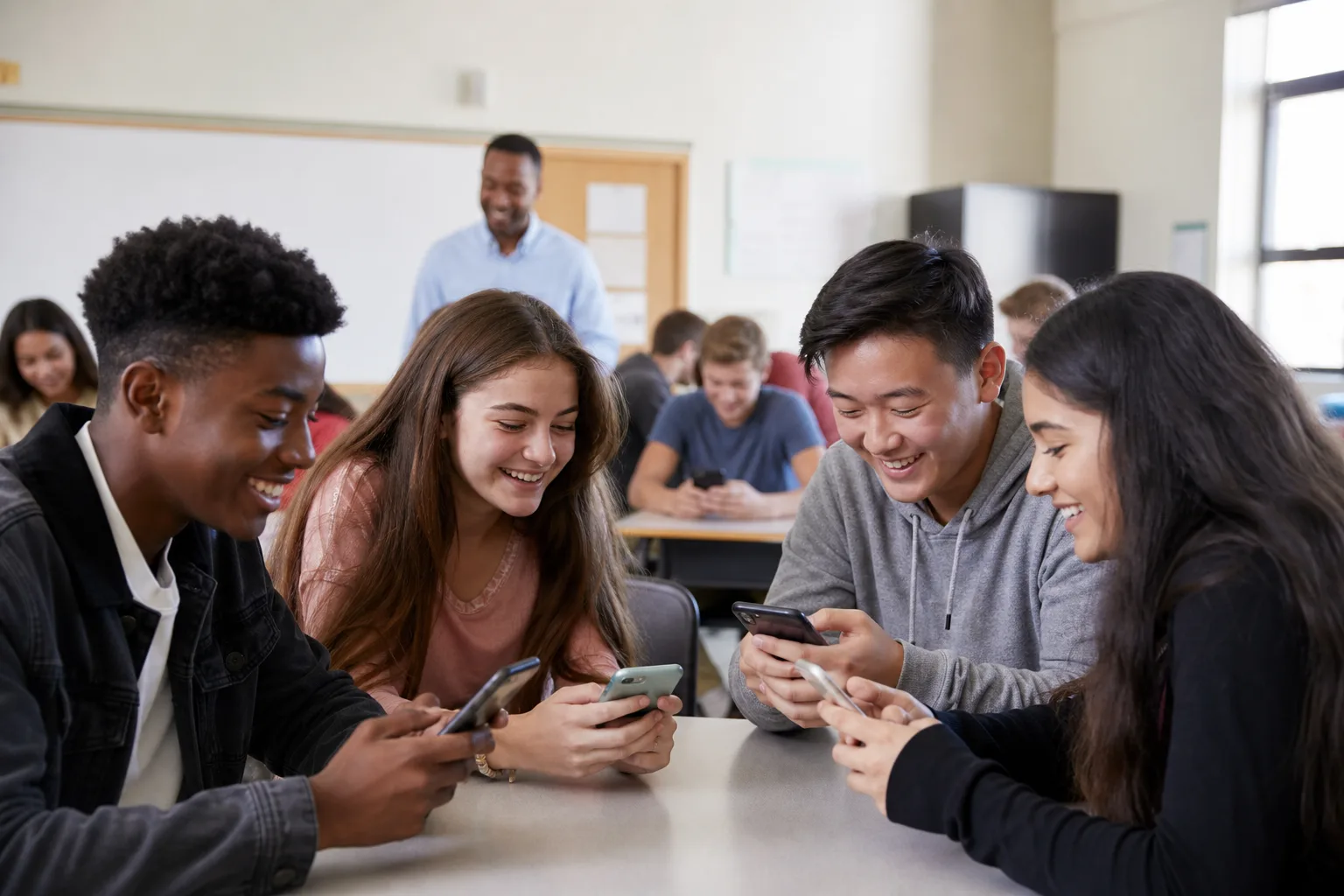
How Students Join OrbPops Games From Their Phones
No app install required. Learn how players join live OrbPops sessions on mobile, what to show on the host screen, and how to keep phones landscape-ready for Rocket Race, Treasure Hunt, and Orb City.
Read article →Free Kahoot Alternative for Teachers
Need a free Kahoot alternative? OrbPops lets teachers host live classroom games, build question banks, and assign practice links—without paying for basic hosting.
Read article →
OrbPops vs Kahoot: Which Is Better for Your Classroom?
A practical OrbPops vs Kahoot comparison: game modes, question banks, homework links, pricing, and when each platform fits best.
Read article →